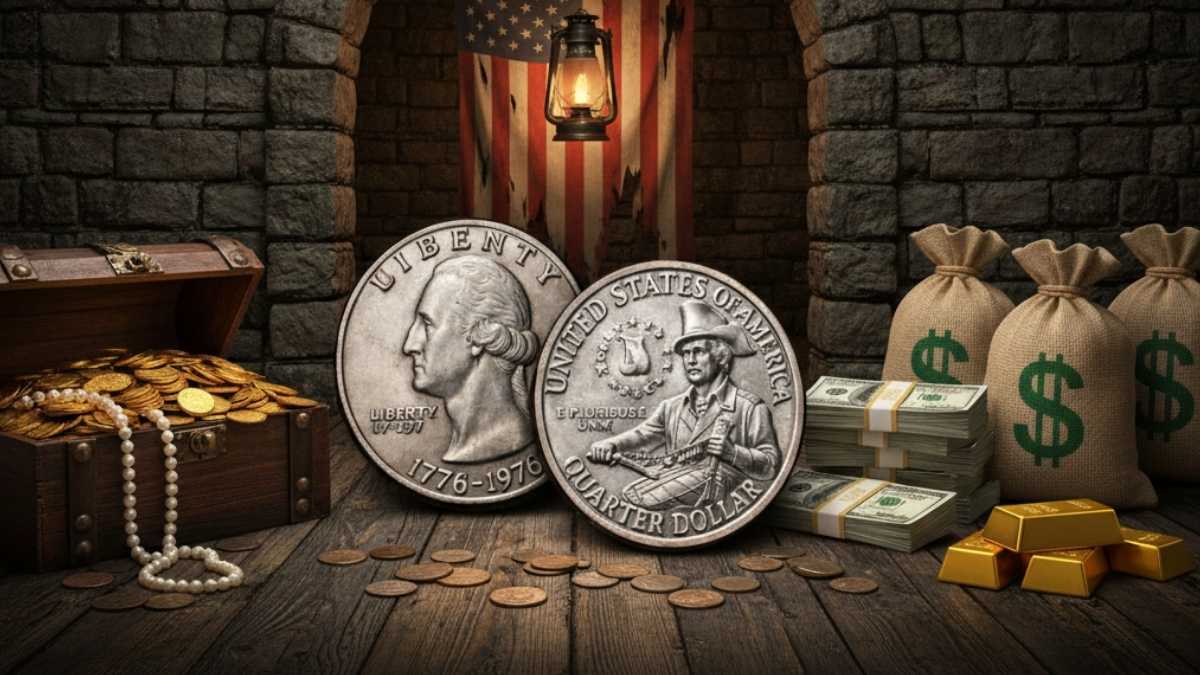
Bicentennial Quarters Value Guide: In 1976, the United States celebrated its 200th anniversary, and the Mint released special coins to mark the occasion. Among them was the Bicentennial quarter, which replaced the traditional eagle reverse with a colonial drummer and a torch surrounded by thirteen stars. This design was unique to the bicentennial celebration, making the coin a standout in American numismatics.
Why Collectors Prize Bicentennial Quarters
Collectors value Bicentennial quarters not only for their historical significance but also for their distinctive design. While most examples are worth only face value, certain rare varieties and pristine specimens can be worth far more. The nostalgia of the bicentennial era adds to their appeal, making them a favorite among both seasoned collectors and newcomers.
Rare Varieties That Command Value
Several Bicentennial quarters stand out for their rarity and potential worth:

- Silver Clad Proofs: Special collector editions struck in 40 percent silver.
- Mint Errors: Coins with doubled dies, off-center strikes, or other mistakes.
- High-Grade Circulated Coins: Even regular issues can be worth more if preserved in exceptional condition.
- Uncirculated Sets: Coins kept in original government packaging often retain higher value.
The Importance of Condition and Grading
Condition plays a critical role in determining value. Coins are graded on a scale from Poor (P-1) to Mint State (MS-70). A Bicentennial quarter found in circulation may be worth little more than face value, but the same coin in Mint State can be worth several dollars or more. Professional grading services provide authentication and standardized evaluation, giving collectors confidence in their purchases.
Hidden Treasures in Everyday Change
One of the most exciting aspects of Bicentennial quarters is that they can still be found in circulation today. Many people overlook them, assuming they are ordinary coins. However, sharp-eyed collectors know that certain varieties can be hidden treasures. Checking pocket change, coin jars, and bank rolls can sometimes yield surprising finds worth far more than twenty-five cents.
Value Chart for Bicentennial Quarters
Here is a simplified chart showing approximate values for notable Bicentennial quarter varieties:
| Coin Type | Circulated Value | Mint State / Proof Value |
|---|---|---|
| Regular Issue | $0.25 – $1 | $5 – $20 |
| Silver Clad Proof | N/A | $10 – $50 |
| Mint Error Varieties | $25 – $200 | $500+ depending on rarity |
| High-Grade Uncirculated | $5 – $15 | $50 – $200 |
Values vary depending on rarity, condition, and market demand, but this chart highlights the potential hidden fortune in Bicentennial quarters.
Market Trends in 2026
In 2026, Bicentennial quarters continue to attract strong interest. Auction results show steady demand, with rare varieties setting records. Common examples trade close to face value, but rare issues like silver proofs and error coins remain popular among collectors. The market reflects the enduring appeal of these historic coins.
Tips for Collectors
For those interested in collecting Bicentennial quarters, here are some practical tips:
- Learn to identify silver clad and proof versions.
- Inspect coins carefully for errors or unusual features.
- Store coins in protective holders to preserve condition.
- Consider professional grading for rare or high-quality examples.
- Follow auction results and dealer listings to stay informed about current values.
The Legacy of Bicentennial Quarters
The Bicentennial quarter is more than just a coin. It is a symbol of national pride, artistry, and history. From its introduction in 1976 to its continued presence in circulation fifty years later, the coin has captured the imagination of collectors and everyday Americans alike. Whether worth a few cents or hundreds of dollars, each Bicentennial quarter tells a story of heritage and the timeless appeal of numismatics.