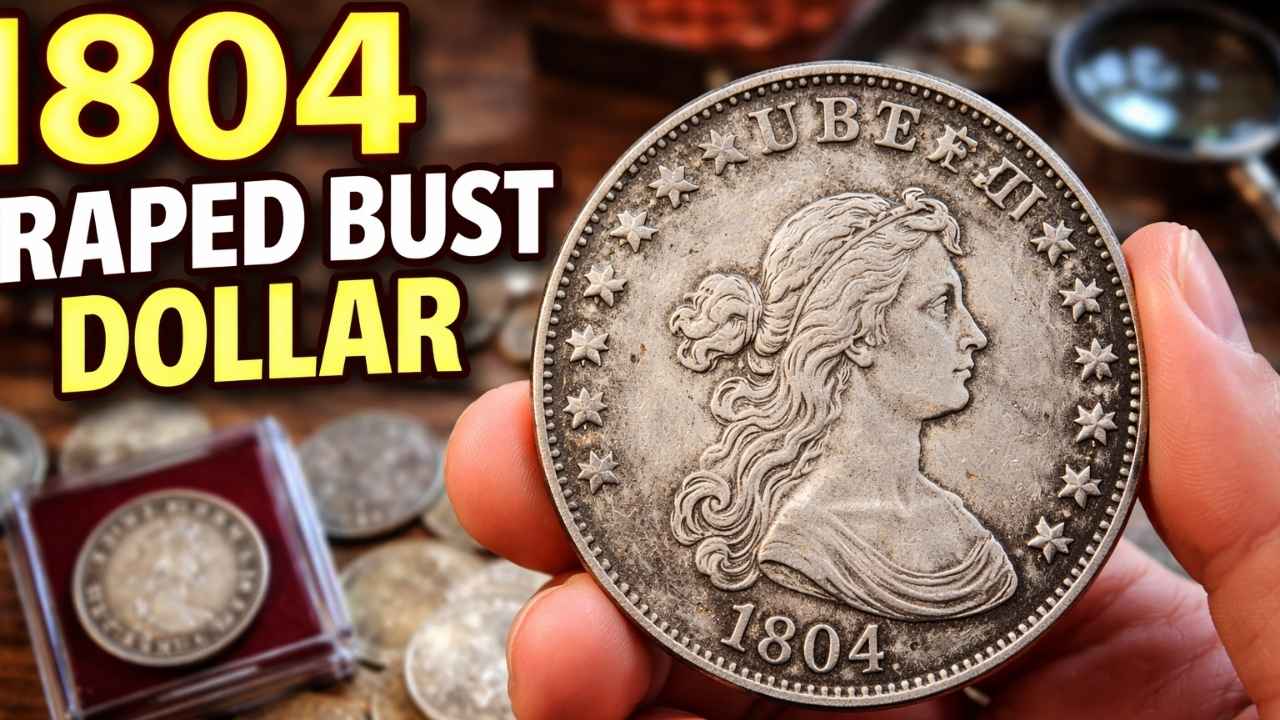
The 1804 Draped Bust Dollar: Among the pantheon of American numismatics, few coins inspire as much awe and fascination as the 1804 Draped Bust Dollar. Known as the “King of American Coins,” it is not merely a piece of silver but a symbol of rarity, history, and prestige. Despite its date, the coin was not actually struck in 1804. Instead, it was minted decades later, creating a mystique that continues to captivate collectors and historians alike.
The Historical Context
The Draped Bust design first appeared on U.S. coinage in the late 18th century. Featuring Liberty with flowing hair and a draped gown, it was considered elegant and emblematic of the young nation’s ideals. By 1804, the silver dollar was already a cornerstone of commerce, but production was halted after 1803 due to bullion shortages and the preference for smaller denominations. This makes the 1804-dated dollar a peculiar anomaly, as none were struck during that year.
The Diplomatic Gift Coins
The true origin of the 1804 dollar lies in the 1830s. President Andrew Jackson authorized the creation of special presentation sets of U.S. coins to be given as diplomatic gifts to foreign leaders. When mint officials prepared these sets, they included silver dollars dated 1804, believing that was the last year of issue. In reality, the last silver dollars had been struck in 1803, but the mistaken date was used nonetheless. Thus, the 1804 Draped Bust Dollar was born, not as a circulating coin but as a prestigious gift.
The Three Classes of 1804 Dollars
Numismatists categorize the 1804 dollar into three distinct classes:
- Class I: Struck in the 1830s for diplomatic presentation sets. These are the most famous and desirable examples.
- Class II: Produced later, around the 1850s, using different dies. These were not intended for circulation but for collectors.
- Class III: Created in the late 1850s and early 1860s, often with slight differences in finish. These were made for numismatic purposes rather than official presentation.
Each class carries its own story, but all share the aura of rarity and intrigue.
The Rarity and Value
Only fifteen specimens of the 1804 Draped Bust Dollar are known to exist today. Their scarcity has elevated them to legendary status in the numismatic world. Auction records consistently show prices in the millions, with collectors vying for the chance to own a piece of history. For many, the coin represents the pinnacle of American numismatics, a treasure that transcends its silver content.
The Coin’s Design
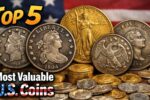
The obverse features Liberty with flowing hair, draped in classical style, surrounded by stars representing the states. The reverse displays the heraldic eagle, a symbol of strength and unity. The artistry reflects the ideals of the early republic, blending neoclassical elegance with national pride. While similar to other Draped Bust coins, the 1804 dollar’s date and story set it apart.
The Mystique of the Date
The fact that no silver dollars were struck in 1804 yet the coin bears that date adds to its mystique. It is a coin born of error, circumstance, and diplomacy. This paradox fuels its reputation as a legendary artifact, one that challenges conventional notions of minting and authenticity.
Famous Owners and Auctions
Over the years, the 1804 dollar has passed through the hands of kings, collectors, and institutions. Notable owners have included the Sultan of Muscat, who received one of the original presentation sets, and prominent American collectors who recognized its significance. Auction houses have showcased these coins as crown jewels, with bidding wars that highlight their enduring allure.
The Symbol of Prestige
Owning an 1804 Draped Bust Dollar is more than possessing a rare coin. It is a statement of prestige, a connection to history, and a testament to the enduring fascination with America’s early coinage. For museums and private collectors alike, it represents the ultimate prize.
The Legacy
The 1804 Draped Bust Dollar continues to inspire numismatists, historians, and enthusiasts. Its story intertwines diplomacy, error, artistry, and rarity, making it a coin unlike any other. More than two centuries after its supposed date, it remains a symbol of America’s numismatic heritage and a reminder that sometimes, legends are born not from intention but from circumstance.